
Everything International Importers Should Know Before Sourcing Eco-Friendly Disposable Tableware from India
Introduction
The global shift towards sustainable packaging has transformed the disposable tableware industry. Governments are tightening regulations on single-use plastics, restaurants are adopting environmentally responsible alternatives, and consumers increasingly prefer products made from natural, renewable materials.
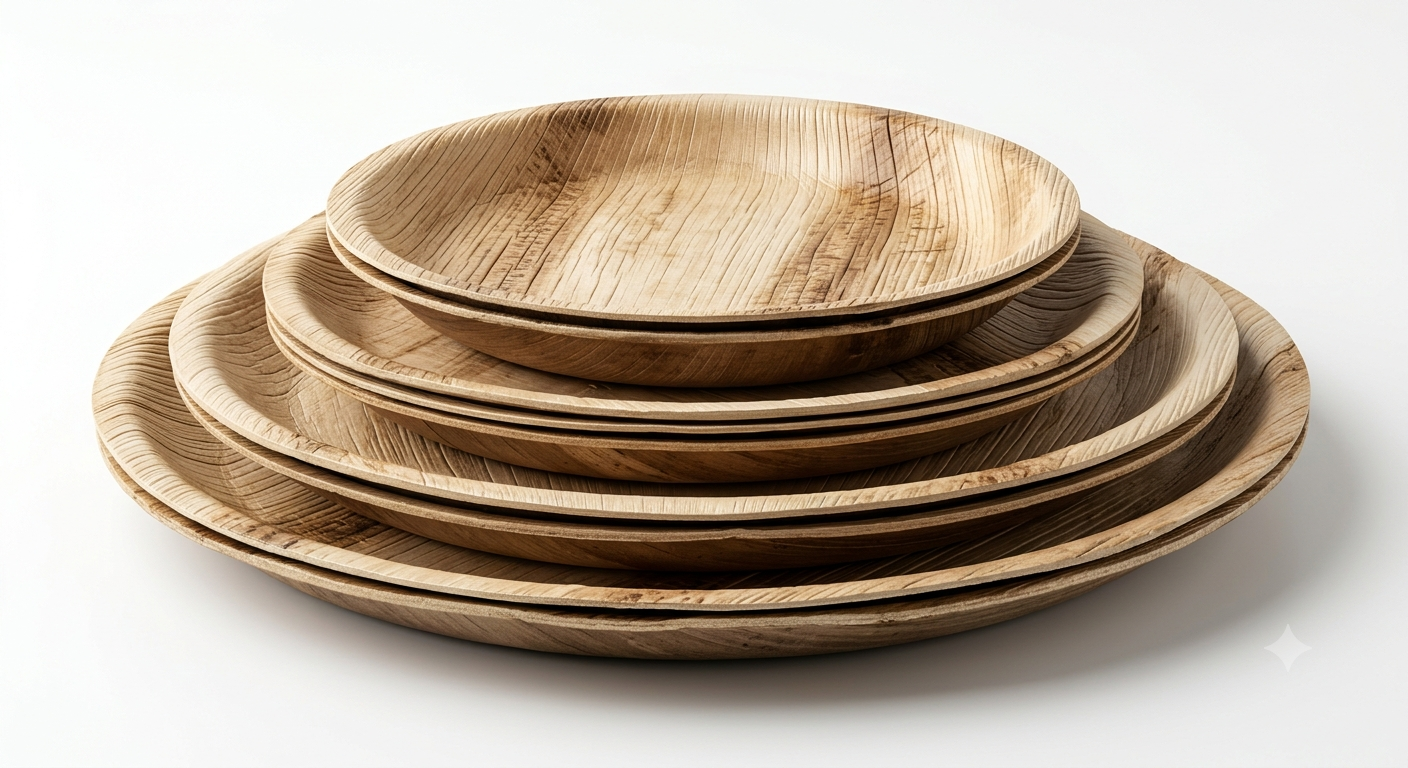
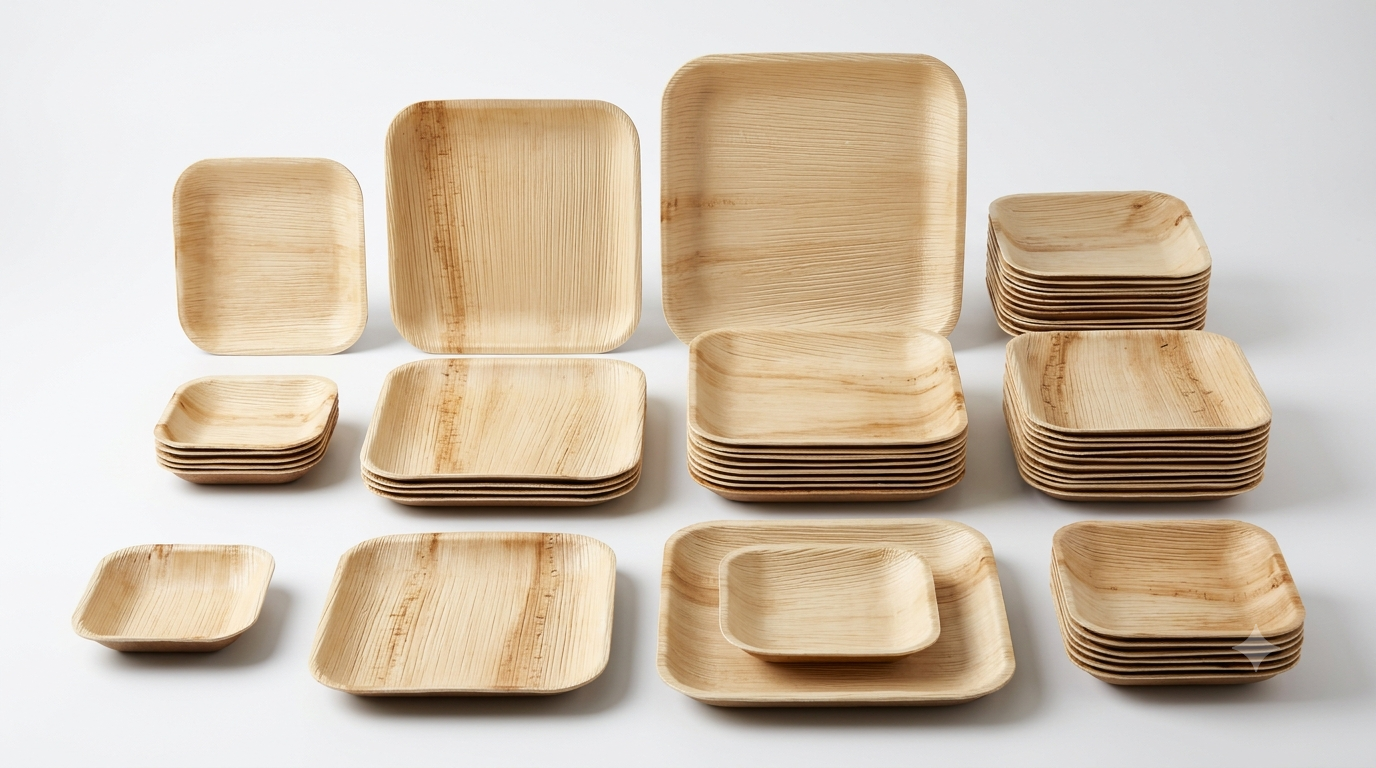
Among the many eco-friendly options available today, Areca Palm Leaf Plates have become one of the most sought-after products. Made from naturally fallen areca palm leaves, these plates are biodegradable, compostable, durable, microwave-safe, and manufactured without chemicals or synthetic coatings.
As demand continues to grow across the United States, Canada, the United Kingdom, Germany, France, Australia, New Zealand, the UAE, Saudi Arabia, and other international markets, India has emerged as the preferred sourcing destination for wholesale buyers.
However, while India offers excellent manufacturing capabilities and competitive pricing, sourcing successfully is not simply about finding the lowest quotation. Many first-time importers discover that supplier selection, quality consistency, packaging standards, export documentation, and logistics planning have a much greater impact on profitability than the product price itself.
This guide is designed specifically for:
- Importers
- Wholesale distributors
- Restaurant supply companies
- Supermarket chains
- Hospitality procurement teams
- Catering suppliers
- Private-label brands
- Food packaging distributors
- Eco-friendly retail businesses
Rather than promoting a particular supplier, this guide focuses on helping buyers understand the sourcing process, avoid common mistakes, and make informed purchasing decisions.
Why Are Areca Palm Leaf Plates in High Demand?
Environmental sustainability is no longer just a marketing trend—it has become a purchasing requirement for many businesses worldwide.
Countries across Europe, North America, the Middle East, and Asia continue to introduce regulations that restrict or discourage the use of single-use plastics. At the same time, consumers are actively choosing businesses that demonstrate environmental responsibility.
This shift has increased demand for disposable products that are both functional and sustainable.
Areca palm leaf plates meet these expectations because they are:
- Made from naturally fallen leaves without cutting trees.
- 100% biodegradable and compostable.
- Free from chemical coatings and artificial binders.
- Suitable for hot and cold foods.
- Microwave-safe and freezer-safe under typical usage conditions.
- Strong enough to hold oily and liquid-based foods.
Unlike paper plates that often require plastic coatings or bagasse products that may vary in texture, areca palm leaf tableware retains its natural appearance, making it popular with premium restaurants, resorts, caterers, weddings, and environmentally conscious food brands.
India has become one of the world’s leading exporters of areca palm leaf tableware due to a combination of natural resources, manufacturing expertise, and export infrastructure.
Several factors contribute to India’s competitive advantage:
Abundant Raw Material
Areca palm trees are widely cultivated in southern India, particularly in states such as Karnataka, Tamil Nadu, Kerala, and parts of Andhra Pradesh. The naturally fallen leaves provide a renewable raw material without harming the trees.
Skilled Manufacturing
Over the past decade, Indian manufacturers have invested in modern hydraulic pressing machines, improved drying techniques, and better finishing processes to meet the quality expectations of international buyers.
Competitive Manufacturing Costs
Lower production costs enable Indian suppliers to remain competitive while offering a wide variety of product designs, sizes, and packaging options.
Export Experience
Many manufacturers have years of experience serving customers across Europe, North America, Australia, and the Middle East. They understand international packaging requirements, shipping procedures, and buyer expectations.
Despite these advantages, international buyers often discover that not all suppliers operate to the same standards.
This brings us to one of the biggest challenges in global sourcing.
The Biggest Mistake First-Time Buyers Make
Many buyers begin their sourcing journey with one simple objective:
“Find the cheapest supplier.”
While reducing procurement costs is an important business objective, focusing exclusively on price often leads to expensive problems later.
International sourcing involves much more than comparing quotations.
A supplier offering the lowest unit price may compensate by reducing product thickness, using lower-grade leaves, cutting corners during drying, or using weaker export packaging.
The result may not become apparent until the shipment reaches your warehouse several weeks later.
Experienced procurement professionals understand that the lowest purchase price does not always result in the lowest overall landed cost.
Instead, they evaluate suppliers based on consistency, communication, production capability, packaging quality, and long-term reliability.
Pain Point #1: Every Supplier Claims to Offer “Premium Quality”
Search any B2B marketplace, and you’ll notice a familiar pattern.
Almost every supplier advertises:
- Premium Quality
- Export Quality
- Best Manufacturer
- Superior Finish
- International Standard
Yet experienced buyers know that product quality can vary significantly between factories.
Even when products look similar in photographs, important differences may only become apparent during physical inspection.
Some of the most common quality issues include:
- Uneven plate thickness
- Surface cracks
- Rough edges
- Poor pressing quality
- Burn marks from excessive heat
- Inconsistent colour variations
- Weak structural strength
- Poor nesting consistency
For businesses supplying supermarkets or hospitality chains, even small variations can lead to customer complaints or product rejection.
Why Quality Varies Between Manufacturers
Several factors influence the final product:
- The maturity and condition of the collected leaves.
- Cleaning and washing procedures.
- Drying methods before pressing.
- Temperature and pressure settings during heat pressing.
- Trimming accuracy.
- Final inspection procedures.
- Packaging standards.
Each stage affects the appearance, strength, and durability of the finished plate.
Expert Insight: Moisture Control Matters More Than Many Buyers Realize
One of the most overlooked aspects of exporting areca palm leaf products is moisture management.
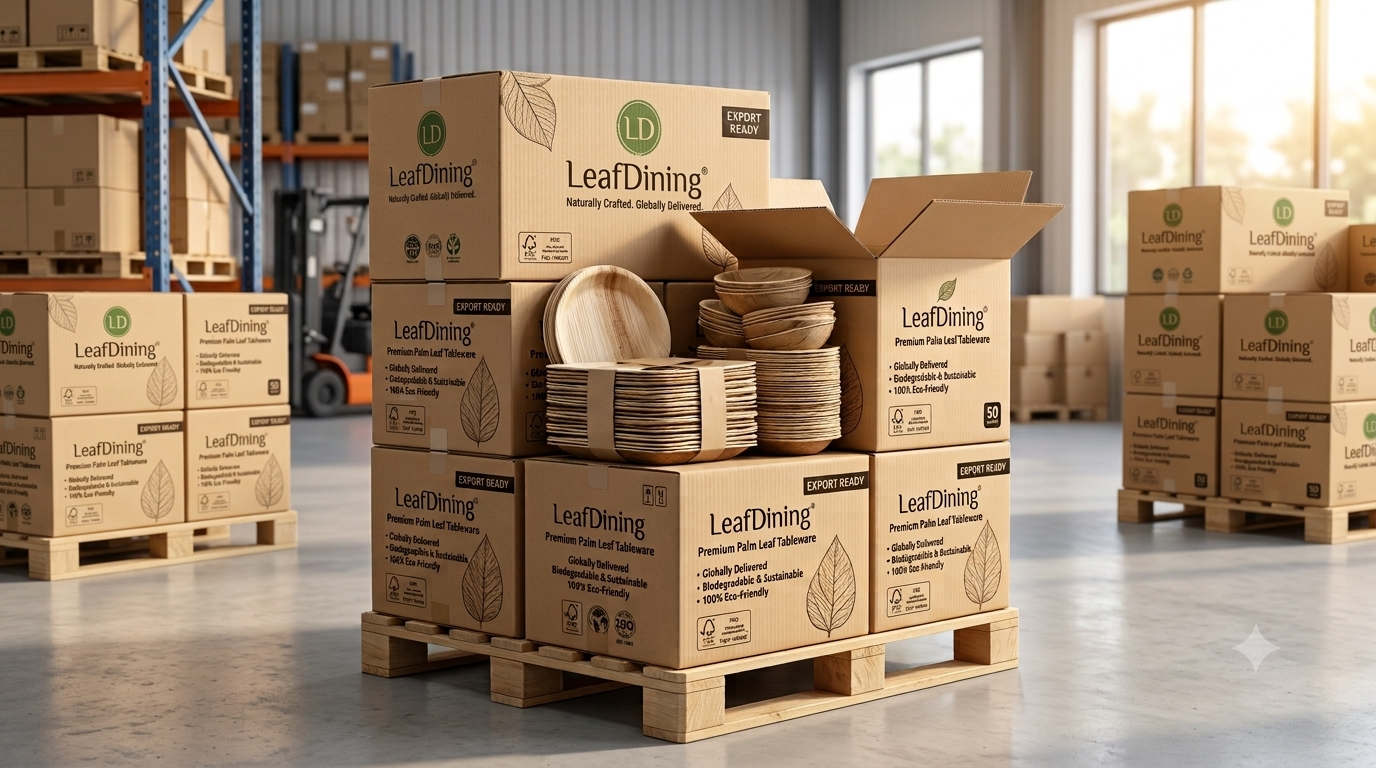
Ocean freight from India to destinations in Europe or North America can take 30–45 days, depending on the shipping route, transshipment schedules, and port operations. During this period, containers may experience significant temperature fluctuations, leading to condensation—often referred to as container rain.
Excess moisture trapped within the products or packaging can increase the risk of mould growth, unpleasant odours, or product deterioration during transit.
To minimise these risks, many experienced exporters aim to reduce the moisture content of finished products to around 8–10% before packing. Export-grade shipments are also commonly protected using practices such as:
- Thorough drying before packing.
- Heat-sealed or shrink-wrapped bundles.
- Food-grade poly liners where appropriate.
- Silica gel or other desiccant packets to absorb excess moisture.
- Strong export cartons designed to withstand long sea voyages.
While packaging methods may vary between suppliers and customer requirements, discussing moisture control and packing procedures before placing an order is an important step in reducing transit-related risks.
Pain Point #2: The Lowest Quotation Often Becomes the Most Expensive Decision
Imagine receiving quotations from five suppliers.
Supplier A offers the lowest price.
Supplier B is 8% more expensive.
Many buyers immediately choose Supplier A without investigating why there is a price difference.
Weeks later, they discover:
- Higher breakage rates.
- Lower product consistency.
- Delayed production.
- Inferior packaging.
- Additional replacement costs.
- Customer complaints.
The initial savings quickly disappear.
Professional buyers evaluate total landed value, not just unit price. They consider factors such as product quality, production reliability, packaging standards, transit protection, documentation accuracy, and supplier responsiveness.
In international trade, a dependable supplier often delivers greater long-term value than the cheapest quotation on the market.